Yao Silk
Yao Silk
Heartfelt Craftsmanship
About Yao Silk

SCROLL

Heartfelt Craftsmanship
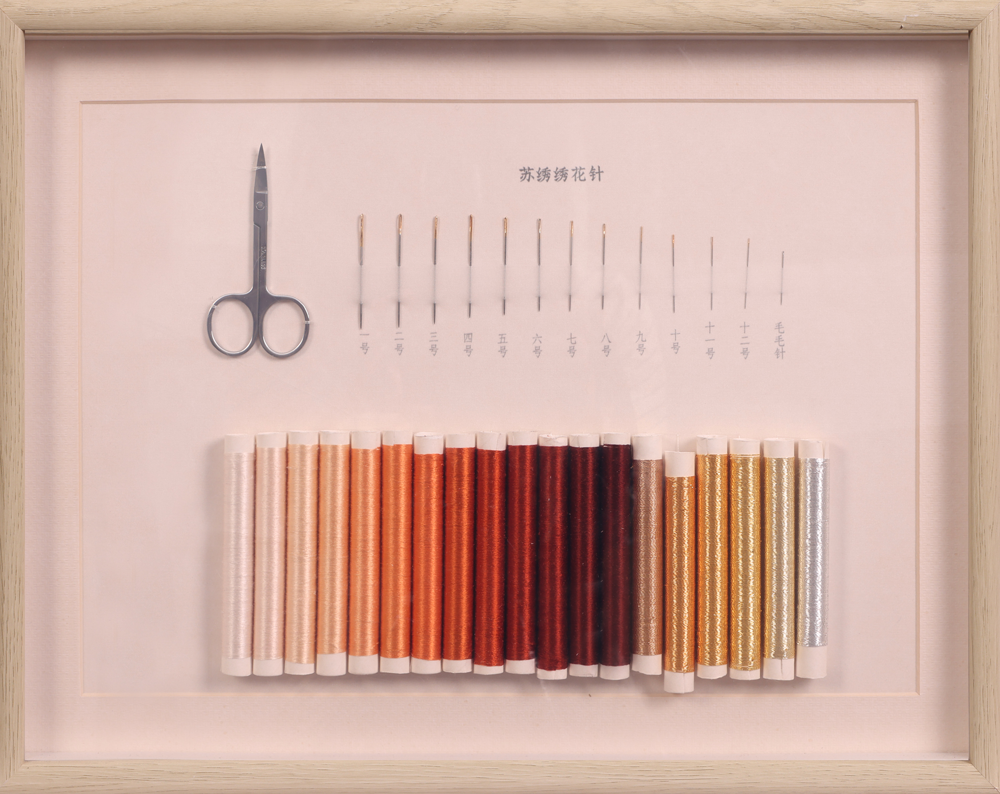
Suzhou Embroidery Materials and Tools
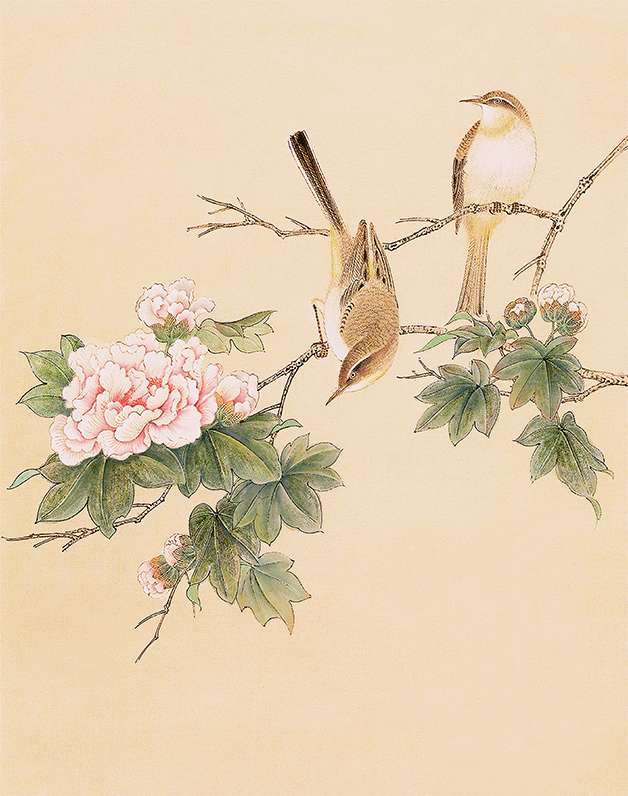
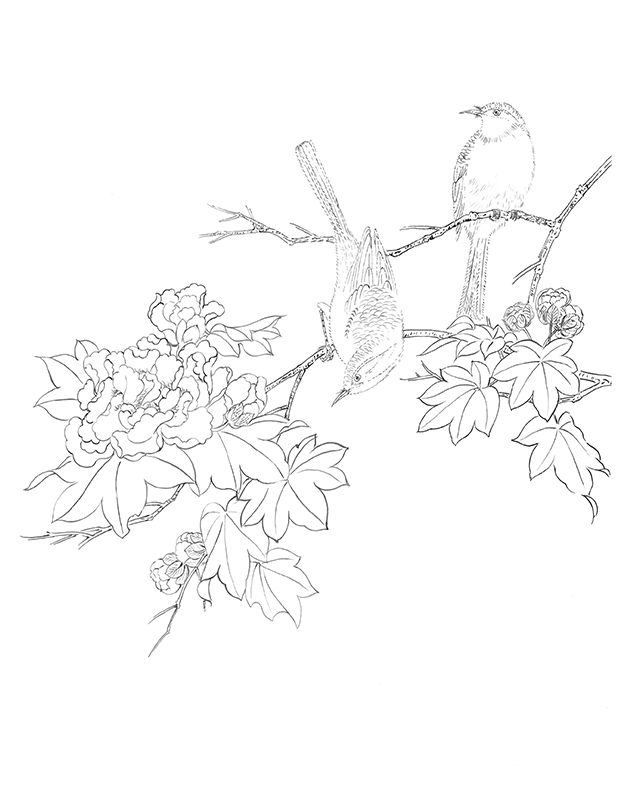
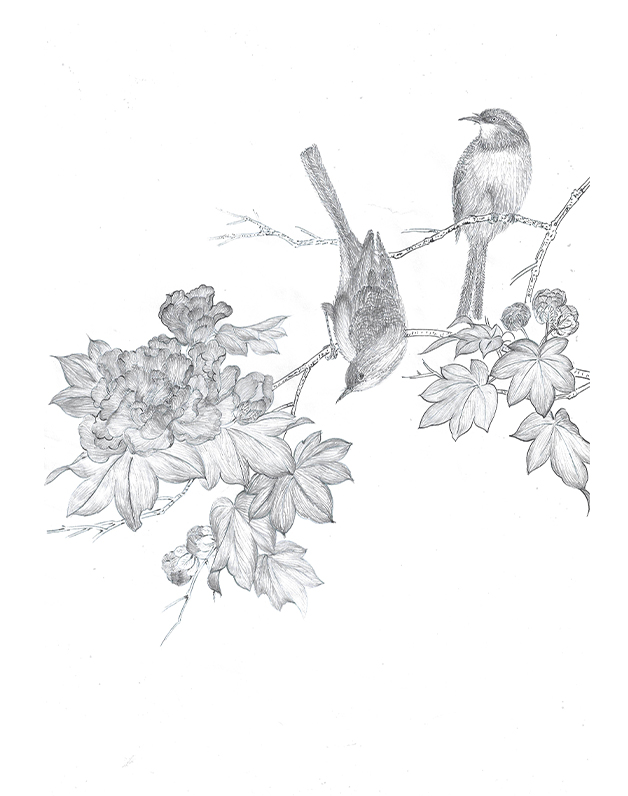
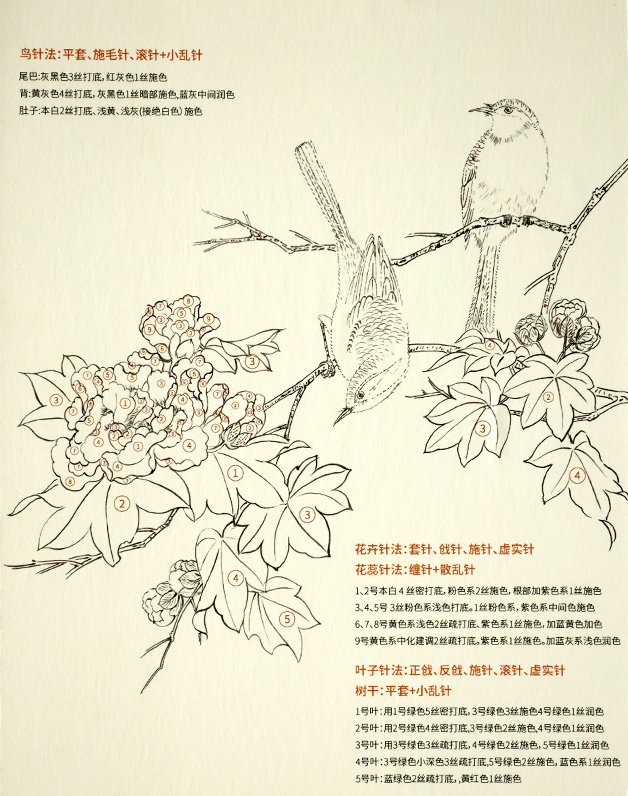
Embroidery design draft
Cutting the Fabric
Cut the fabric according to the design dimensions. Suzhou embroidery typically uses silk-based textiles. During cutting, it is essential to ensure that the warp and weft threads remain straight, with smooth and even edges free of fraying. Stretching that could cause deformation of the fabric should be avoided, so as to provide a standardized and stable base for subsequent processes.
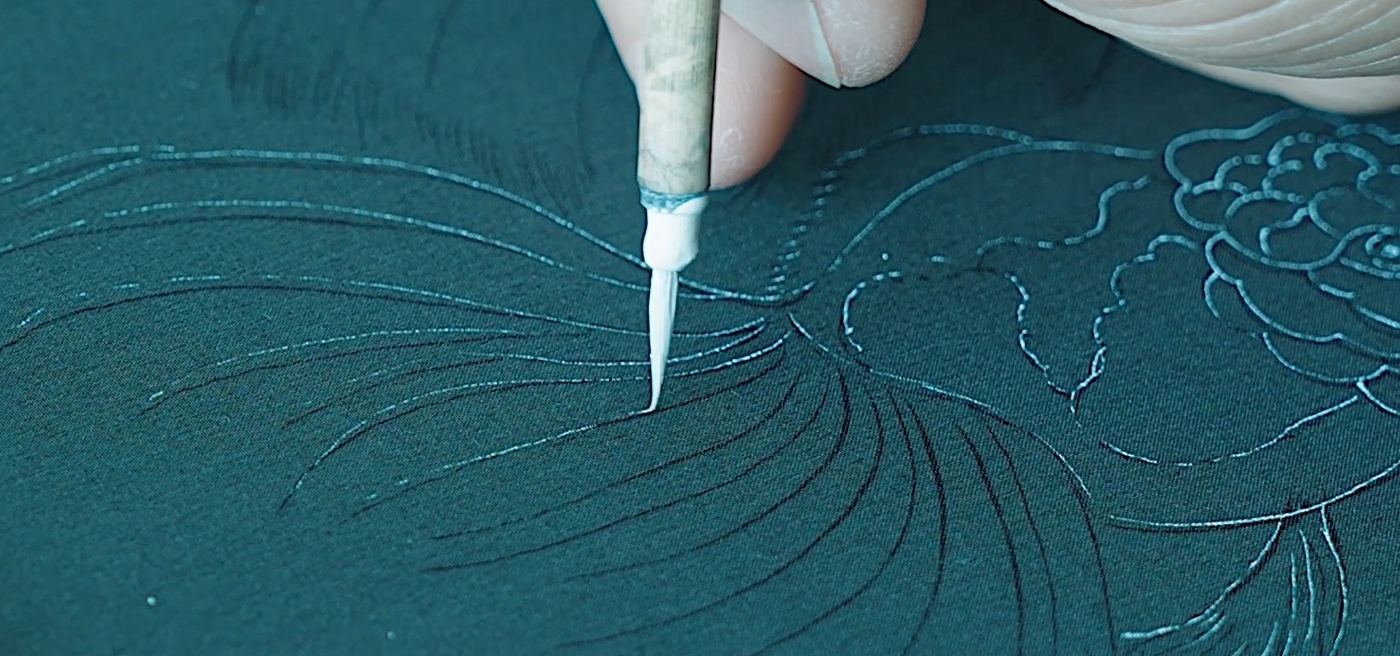
Transferring the Design
Use a specialized marking pen to accurately outline the pattern onto the fabric surface. The lines must be clear, continuous, and proportionate to the design. For complex patterns, a grid positioning method can be used to ensure structural accuracy.
Thread Selection
Select natural silk threads based on the pattern's colors and shading. Emphasis is placed on achieving natural color gradients, considering the harmony between the silk thread's luster and the fabric's texture to ensure a unified and harmonious color effect in the final piece.
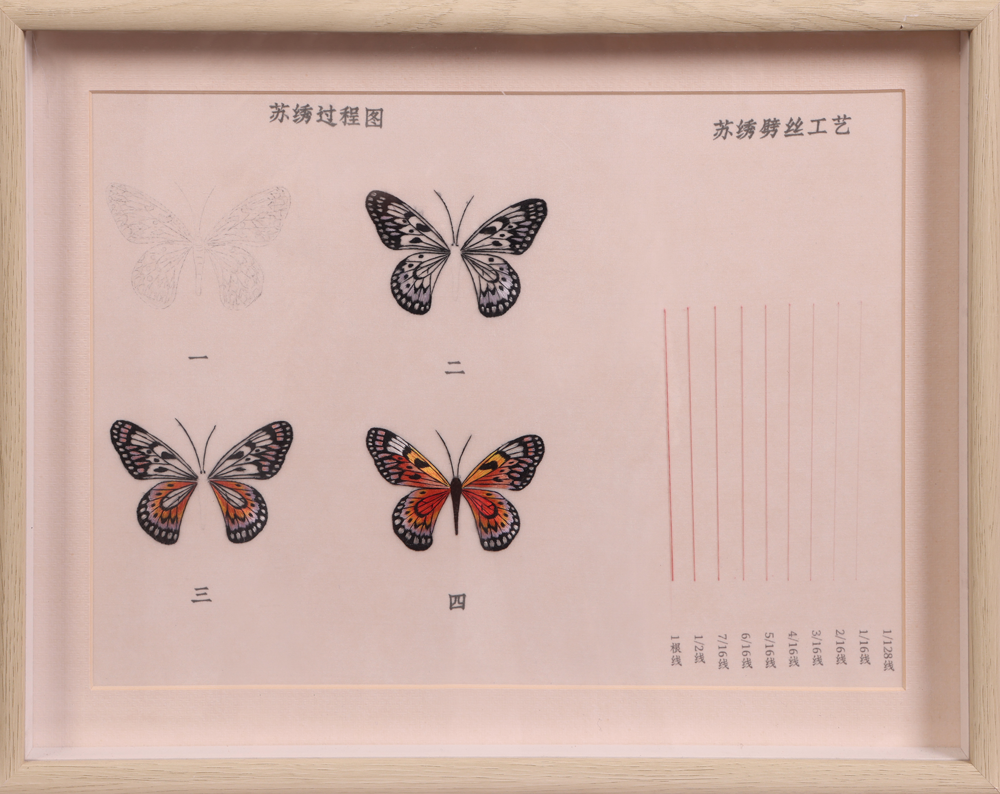
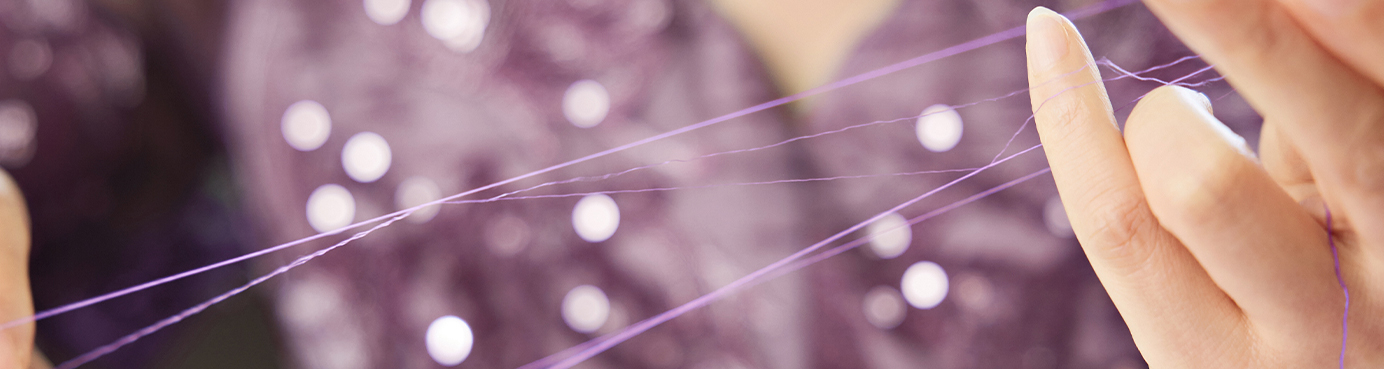
Thread Splitting
Split the silk thread into multiple fine strands according to the requirements of the embroidery process. In Suzhou embroidery, a single thread is often divided into dozens of strands, and at its finest can be split into as many as 352 filaments. During this process, it is essential to maintain uniformity, ensuring that the resulting strands are evenly thin and supple, thereby laying a solid foundation for meticulous embroidery work.
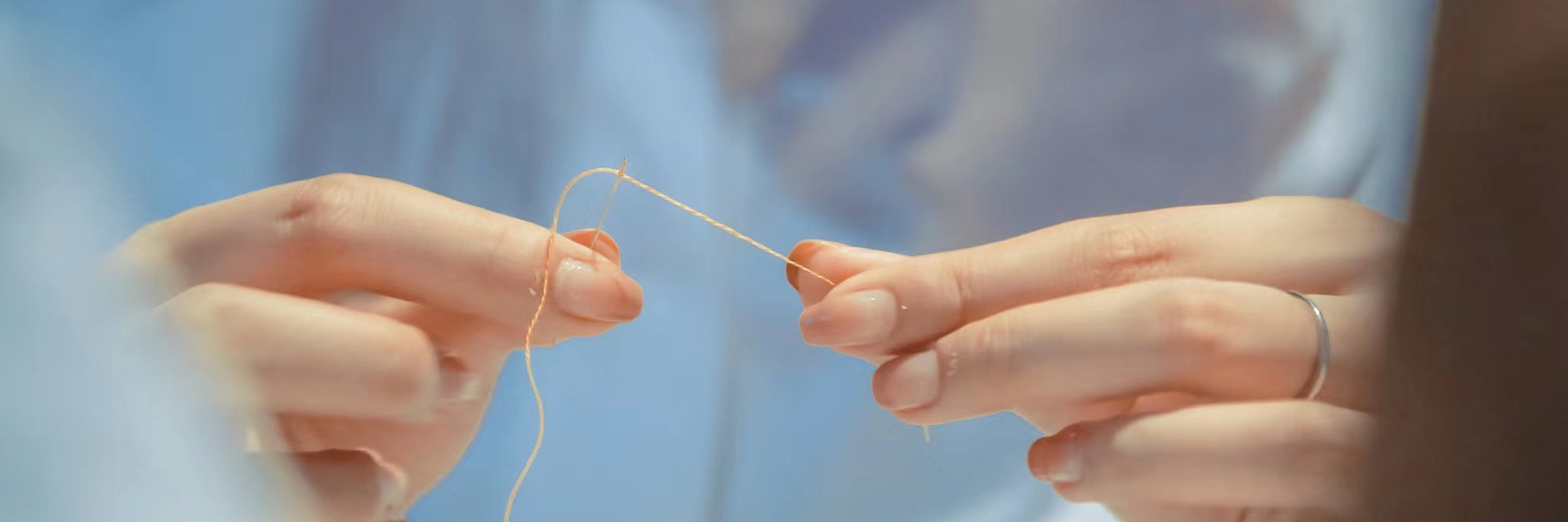
Threading the Needle
Choose an embroidery needle appropriate for the thickness of the silk thread. When threading, twist the end of the thread tightly to prevent knotting. The tail end can be secured simply to prevent the thread from slipping out during embroidery, ensuring continuous operation.
Embroidering
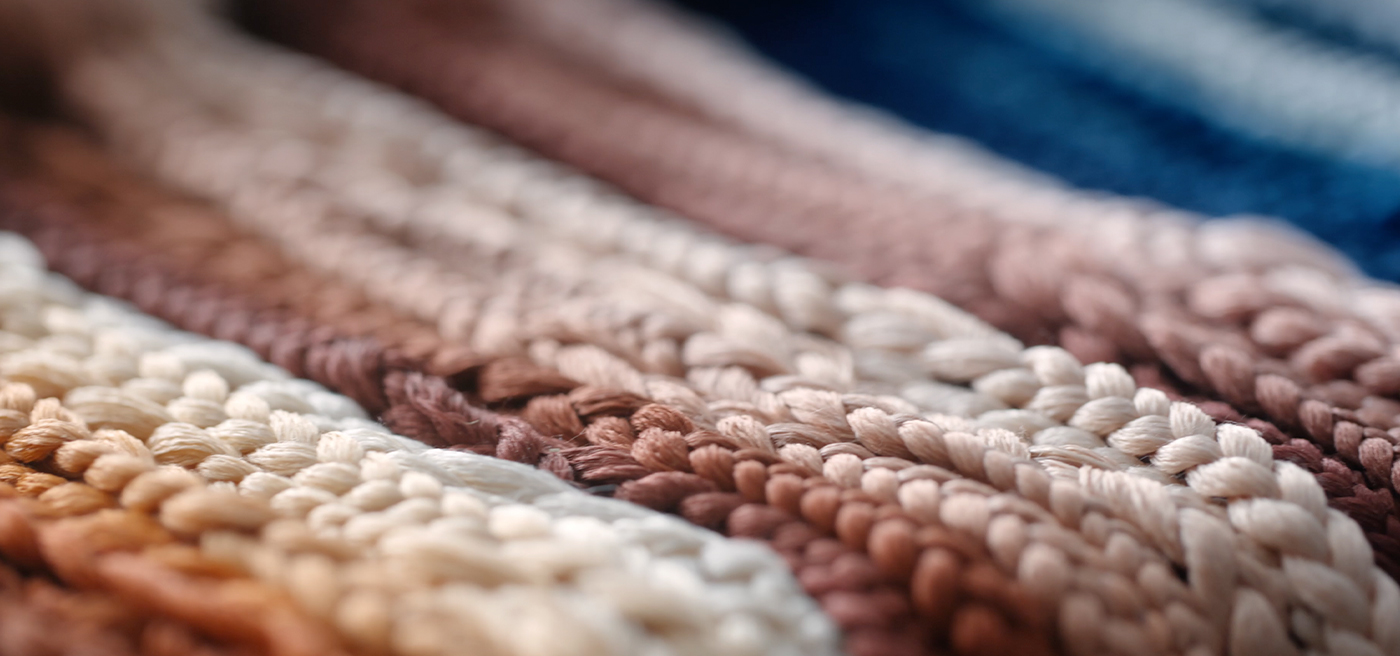
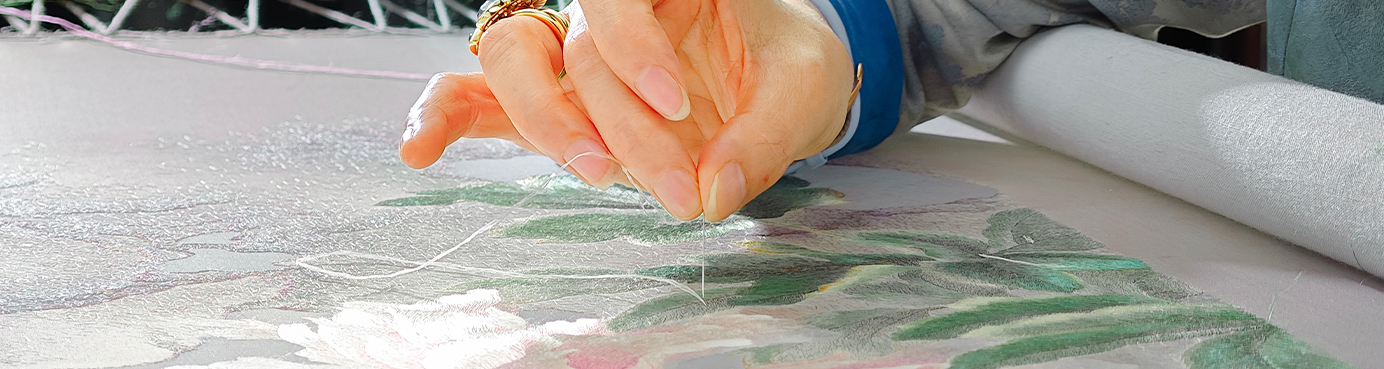
Each stitch is executed using the appropriate embroidery technique. The density of the silk threads is adjusted according to variations in light and shade within the design, and through the combination of different stitches, a sense of depth and three-dimensional layering is achieved.
Mounting
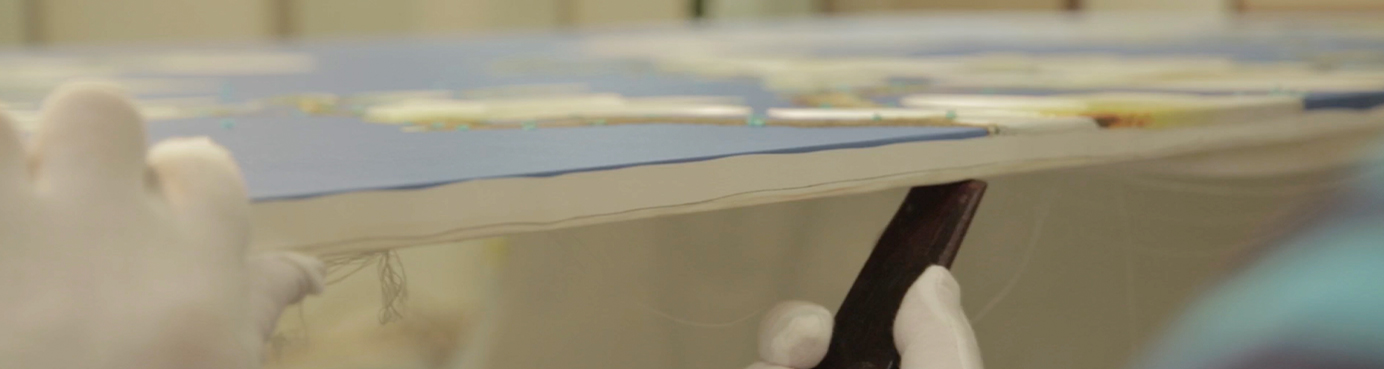
After the embroidery is completed, it undergoes flattening and setting processes before being mounted using appropriate materials. The mounting should be stylistically aligned with the embroidery, prioritizing the protection of the embroidered surface while enhancing the overall artistic presentation through thoughtful framing.
Home · About Us · Perfected Through a Millennium of Craftsmanship, Established in 1998 · Heartfelt Craftsmanship